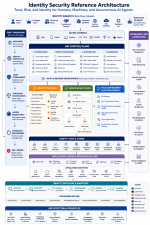
Modern enterprises are navigating an increasingly complex identity landscape. The challenge now extends beyond employees merely signing into applications. Today, organizations must account for:
- Workforce and privileged identities
- Customers and partners
- Workload and service identities
- API identities
- Devices and IoT
- Automation and bots
- Autonomous AI agents
This complexity necessitates a reevaluation of the conventional approach to identity management, which traditionally follows the process of 𝗜𝗱𝗲𝗻𝘁𝗶𝗳𝘆 → 𝗔𝘂𝘁𝗵𝗲𝗻𝘁𝗶𝗰𝗮𝘁𝗲 → 𝗔𝘂𝘁𝗵𝗼𝗿𝗶𝘇𝗲 → 𝗔𝗰𝗰𝗲𝘀𝘀.
A contemporary Identity Security Reference Architecture must address a wider range of critical questions:
- 𝗪𝗵𝗼 𝗼𝗿 𝘄𝗵𝗮𝘁 𝗶𝘀 𝗿𝗲𝗾𝘂𝗲𝘀𝘁𝗶𝗻𝗴 𝗮𝗰𝗰𝗲𝘀𝘀?
- 𝗖𝗮𝗻 𝘄𝗲 𝗲𝘀𝘁𝗮𝗯𝗹𝗶𝘀𝗵 𝘁𝗿𝘂𝘀𝘁?
- 𝗪𝗵𝗮𝘁 𝗶𝘀 𝘁𝗵𝗲 𝗰𝘂𝗿𝗿𝗲𝗻𝘁 𝗿𝗶𝘀𝗸?
- 𝗪𝗵𝗮𝘁 𝗮𝗰𝘁𝗶𝗼𝗻𝘀 𝗮𝗿𝗲 𝗽𝗲𝗿𝗺𝗶𝘀𝘀𝗶𝗯𝗹𝗲 𝗳𝗼𝗿 𝘁𝗵𝗲 𝗶𝗱𝗲𝗻𝘁𝗶𝘁𝘆?
- 𝗪𝗵𝗮𝘁 𝗼𝗰𝗰𝘂𝗿𝘀 𝘄𝗵𝗲𝗻 𝘁𝗵𝗲 𝗿𝗶𝘀𝗸 𝗹𝗮𝗻𝗱𝘀𝗰𝗮𝗽𝗲 𝗰𝗵𝗮𝗻𝗴𝗲𝘀?
The architecture outlined here integrates these concepts into a continuous security model:
𝗗𝗶𝘀𝗰𝗼𝘃𝗲𝗿 → 𝗘𝘀𝘁𝗮𝗯𝗹𝗶𝘀𝗵 → 𝗩𝗲𝗿𝗶𝗳𝘆 → 𝗚𝗼𝘃𝗲𝗿𝗻 → 𝗔𝘂𝘁𝗵𝗲𝗻𝘁𝗶𝗰𝗮𝘁𝗲 → 𝗔𝘀𝘀𝗲𝘀𝘀 → 𝗗𝗲𝗰𝗶𝗱𝗲 → 𝗘𝗻𝗳𝗼𝗿𝗰𝗲 → 𝗠𝗼𝗻𝗶𝘁𝗼𝗿 → 𝗗𝗲𝘁𝗲𝗰𝘁 → 𝗥𝗲𝘀𝗽𝗼𝗻𝗱 → 𝗥𝗲𝗮𝘀𝘀𝗲𝘀𝘀 → 𝗠𝗼𝗱𝗶𝗳𝘆 𝗼𝗿 𝗥𝗲𝘃𝗼𝗸𝗲.
A significant shift is recognizing autonomous AI agents as primary identity subjects. These agents should not simply inherit the permissions of the human or application that created them. Their identity, delegated authority, tool access, data scope, action limits, necessary approvals, and activities must be governed explicitly, mirroring the principles applied to machine identities, workloads, APIs, service accounts, certificates, and secrets.
The objective extends beyond merely achieving stronger authentication. It aims for continuous identity assurance where trust is situational, contextually aware, and subject to ongoing evaluation. In this evolving landscape, Identity and Access Management (IAM) is transitioning into a more comprehensive Identity Security framework. The future of enterprise identity architecture must safeguard not only our identities but also the actions executed on our behalf.
- Workforce and privileged identities
- Customers and partners
- Workload and service identities
- API identities
- Devices and IoT
- Automation and bots
- Autonomous AI agents
This complexity necessitates a reevaluation of the conventional approach to identity management, which traditionally follows the process of 𝗜𝗱𝗲𝗻𝘁𝗶𝗳𝘆 → 𝗔𝘂𝘁𝗵𝗲𝗻𝘁𝗶𝗰𝗮𝘁𝗲 → 𝗔𝘂𝘁𝗵𝗼𝗿𝗶𝘇𝗲 → 𝗔𝗰𝗰𝗲𝘀𝘀.
A contemporary Identity Security Reference Architecture must address a wider range of critical questions:
- 𝗪𝗵𝗼 𝗼𝗿 𝘄𝗵𝗮𝘁 𝗶𝘀 𝗿𝗲𝗾𝘂𝗲𝘀𝘁𝗶𝗻𝗴 𝗮𝗰𝗰𝗲𝘀𝘀?
- 𝗖𝗮𝗻 𝘄𝗲 𝗲𝘀𝘁𝗮𝗯𝗹𝗶𝘀𝗵 𝘁𝗿𝘂𝘀𝘁?
- 𝗪𝗵𝗮𝘁 𝗶𝘀 𝘁𝗵𝗲 𝗰𝘂𝗿𝗿𝗲𝗻𝘁 𝗿𝗶𝘀𝗸?
- 𝗪𝗵𝗮𝘁 𝗮𝗰𝘁𝗶𝗼𝗻𝘀 𝗮𝗿𝗲 𝗽𝗲𝗿𝗺𝗶𝘀𝘀𝗶𝗯𝗹𝗲 𝗳𝗼𝗿 𝘁𝗵𝗲 𝗶𝗱𝗲𝗻𝘁𝗶𝘁𝘆?
- 𝗪𝗵𝗮𝘁 𝗼𝗰𝗰𝘂𝗿𝘀 𝘄𝗵𝗲𝗻 𝘁𝗵𝗲 𝗿𝗶𝘀𝗸 𝗹𝗮𝗻𝗱𝘀𝗰𝗮𝗽𝗲 𝗰𝗵𝗮𝗻𝗴𝗲𝘀?
The architecture outlined here integrates these concepts into a continuous security model:
𝗗𝗶𝘀𝗰𝗼𝘃𝗲𝗿 → 𝗘𝘀𝘁𝗮𝗯𝗹𝗶𝘀𝗵 → 𝗩𝗲𝗿𝗶𝗳𝘆 → 𝗚𝗼𝘃𝗲𝗿𝗻 → 𝗔𝘂𝘁𝗵𝗲𝗻𝘁𝗶𝗰𝗮𝘁𝗲 → 𝗔𝘀𝘀𝗲𝘀𝘀 → 𝗗𝗲𝗰𝗶𝗱𝗲 → 𝗘𝗻𝗳𝗼𝗿𝗰𝗲 → 𝗠𝗼𝗻𝗶𝘁𝗼𝗿 → 𝗗𝗲𝘁𝗲𝗰𝘁 → 𝗥𝗲𝘀𝗽𝗼𝗻𝗱 → 𝗥𝗲𝗮𝘀𝘀𝗲𝘀𝘀 → 𝗠𝗼𝗱𝗶𝗳𝘆 𝗼𝗿 𝗥𝗲𝘃𝗼𝗸𝗲.
A significant shift is recognizing autonomous AI agents as primary identity subjects. These agents should not simply inherit the permissions of the human or application that created them. Their identity, delegated authority, tool access, data scope, action limits, necessary approvals, and activities must be governed explicitly, mirroring the principles applied to machine identities, workloads, APIs, service accounts, certificates, and secrets.
The objective extends beyond merely achieving stronger authentication. It aims for continuous identity assurance where trust is situational, contextually aware, and subject to ongoing evaluation. In this evolving landscape, Identity and Access Management (IAM) is transitioning into a more comprehensive Identity Security framework. The future of enterprise identity architecture must safeguard not only our identities but also the actions executed on our behalf.